


 English
 Türk
Türk عربى
عربى Tiếng Việt
 русский
 Bahasa Melayu
 中文简体
中文简体
Home / News / Industry News / How Masking Tape Manufacturers Can Improve Adhesion Consistency Across Different Surfaces

Masking tape is used on painted walls, metal panels, glass, wood, plastic parts, and many other surfaces, yet the same adhesive construction may not behave the same way on every substrate. For tape manufacturers, this creates a practical formulation challenge: the adhesive needs enough grip to remain in place during application while still allowing controlled removal. Selecting suitable SBR Latex for Masking Tape can be part of this process, particularly when manufacturers are developing adhesive systems for different industrial and everyday masking applications.
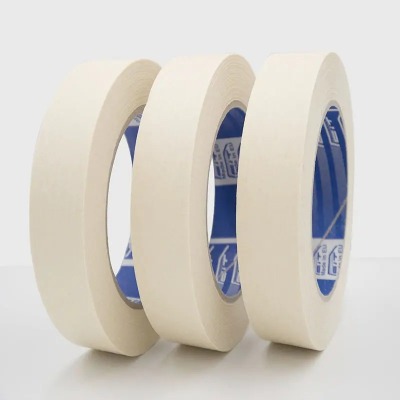
The surface itself is often overlooked during adhesive development. Dust, moisture, paint condition, surface energy, and texture can all influence contact between the adhesive and the substrate. A smooth metal panel may produce a different bonding response from a rough painted surface. This means that testing a masking tape on only one standard substrate may not provide enough information for commercial production.
A masking tape with strong initial tack may appear attractive during early testing, but high tack alone does not define a practical adhesive system. Tape producers also need to consider holding power, peel behavior, cohesion, and removal characteristics. If the adhesive flows excessively under pressure or temperature, residue may become a concern. If cohesion is insufficient, the adhesive layer can become unstable during removal.
For formulation teams, the more useful approach is to evaluate these properties together rather than optimizing one characteristic in isolation.
SBR latex can contribute to the rubber phase of pressure-sensitive adhesive systems and can be adjusted alongside tackifiers, fillers, and other formulation components. Its value depends heavily on compatibility and processing conditions. A latex that works well in one adhesive formulation may require different formulation adjustments when the backing material, coating method, or target application changes.
This is why manufacturers should assess the latex as part of the complete adhesive system instead of treating it as an independent performance factor.
Adhesive transfer is particularly frustrating when masking tape is applied to painted or finished surfaces. The issue may become more noticeable when tape remains in place for an extended period or encounters changing temperature and humidity conditions.
A practical development process can examine:
These tests help manufacturers identify whether residue originates from formulation, coating, backing treatment, or application conditions.
A masking tape may perform well immediately after production but behave differently after transportation or storage. Heat, humidity, and aging can influence adhesive properties and the physical condition of the tape roll. For B2B buyers, this makes storage stability an important consideration when evaluating raw materials and finished tape constructions.
From a manufacturing standpoint, consistent latex quality and controlled formulation practices can help reduce unexpected variation between production batches.
Not every masking tape needs the same adhesion profile. A tape intended for short-term household painting has different requirements from one used in automotive refinishing or industrial surface protection. The target substrate, expected contact period, removal method, and environmental conditions should therefore be considered before selecting the adhesive system.
For masking tape manufacturers, raw material selection should begin with the finished tape requirements rather than with a single specification on a supplier datasheet. When evaluating SBR Latex for Masking Tape, production teams can compare laboratory results, coating behavior, adhesive compatibility, aging performance, and finished-tape removal characteristics. This application-focused approach makes it easier to develop a formulation that remains consistent across real working conditions while giving manufacturers greater flexibility when serving different overseas markets.
We provide our customers with sustainable and environmentally friendly synthetic latex products and service.
Copyright © 2024 Zhejiang Tianchen Latex Industry Co., Ltd. All Rights Reserved.

